
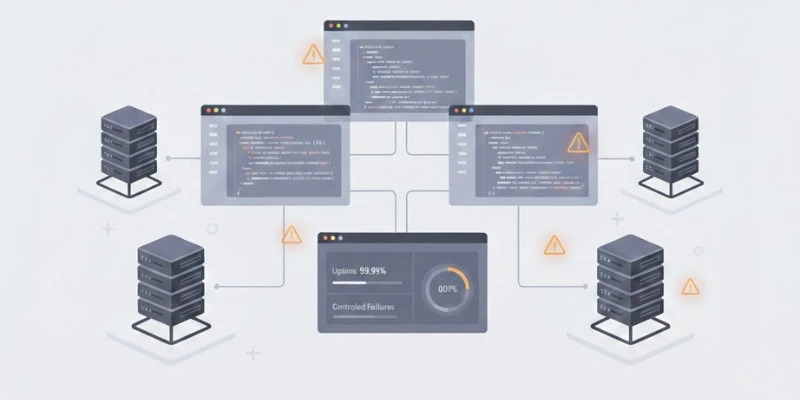
Every Java developer remembers the first time their program crashed without warning. The code compiles fine, looks clean, yet fails when it actually runs. That moment usually pushes learners to understand how Java reacts to unexpected situations. During Java Course in Trichy, many beginners realize that handling runtime errors is less about memorizing syntax and more about thinking ahead, like a developer who expects things to go wrong in real systems.
What runtime errors actually mean in practice
Runtime errors happen when the program is running, not when it’s being written. These issues come from situations like invalid input, missing files, or network failures. Java can’t always predict these during compilation. Instead of stopping the entire system, Java provides ways to catch and respond to these problems so applications can fail safely or recover when possible.
The role of exceptions in Java
Java uses exceptions to represent runtime problems. When something goes wrong, an exception object is created and thrown. This object carries information about what failed and where. If the application doesn’t handle it, the program stops. When handled properly, the program can log the issue, show a message, or continue running with limited impact.
Employers expect candidates to explain how their code behaves when things break. Many interviews for Java Course in Erode focus on scenarios rather than theory. They ask how you’d handle null values, database failures, or API timeouts. Clear answers show that you understand runtime behavior beyond classroom examples.
Try and catch blocks in real code
The try and catch structure is where Java developers actively handle errors. Risky code is placed inside try, and possible failures are handled in catch. This approach prevents crashes and keeps logic readable. In real projects, developers don’t catch everything blindly. They focus on expected failures and leave serious issues visible so they can be fixed properly.
Checked and unchecked exceptions
Java separates exceptions into checked and unchecked types. Checked ones force developers to think about error handling early, which improves stability. Unchecked exceptions often point to programming mistakes. This design encourages responsibility. Developers learn quickly that ignoring errors leads to fragile systems, while thoughtful handling leads to maintainable code.
Learning error handling across languages
Understanding runtime errors becomes easier when comparing languages. Developers who also explore Python Course in Trichy often notice how Python handles errors at runtime with less strict rules. This comparison helps learners appreciate why Java is strict and how that strictness helps in large applications where silent failures can be expensive.
Runtime errors in production systems
In real jobs, errors don’t show up in neat examples. They appear under load, with real users and unpredictable data. Java applications use logging and monitoring to track runtime issues without interrupting service. This is where proper exception handling separates junior developers from professionals who think about users and uptime.
Career expectations and local roles
Strong error handling skills make developers dependable. As applications grow and connect to cloud platforms, this mindset becomes even more important. Developers who later expand into cross-language roles or cloud systems, often supported by Python Course in Erode, carry this habit of defensive coding with them, which keeps systems stable under pressure.
Also Check: Top Five Reasons to Learn Java