
People entering testing roles often struggle with repetitive manual checks that eat up time and still miss bugs. That’s usually when curiosity around automation starts. While exploring tools, many learners come across Selenium during discussions in interviews or peer groups, especially those attending Selenium Training in Trichy to move from basic testing into automation roles. Selenium stands out because it helps testers verify applications faster while keeping quality consistent, even as software changes frequently.
Understanding Selenium in simple words
Selenium is an open-source tool used to automate web applications. It allows testers to write scripts that mimic real user actions like clicking buttons, entering text, and navigating pages. Instead of repeating the same tests manually, Selenium runs them automatically. This saves time and reduces human error. It works with popular browsers and supports multiple programming languages, which makes it flexible for teams with different skill sets. Selenium is focused only on web applications, not desktop software.
Why automation matters in testing
As applications grow, manual testing alone becomes difficult to manage. Every small update can affect multiple features. Automation helps teams catch issues early without slowing down development. Selenium fits well into fast development cycles where updates happen often. It lets testers rerun test cases anytime without extra effort. For beginners, understanding automation isn’t about replacing manual testing, but supporting it so quality stays high while delivery stays fast.
How Selenium interacts with browsers
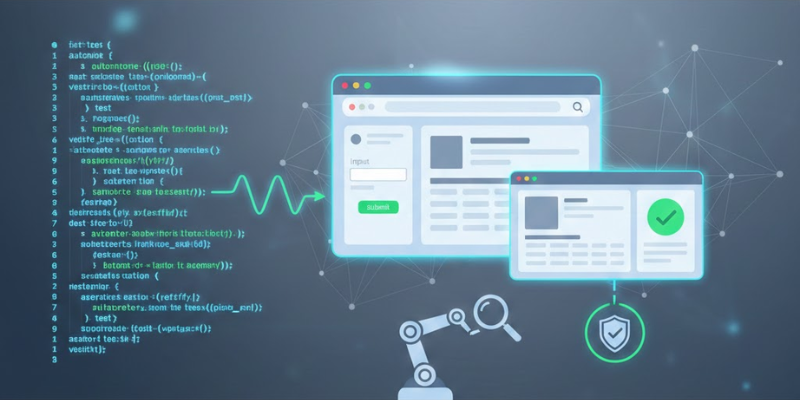
Selenium works by controlling browsers the same way a real user would. It sends commands to browsers like Chrome or Firefox and observes how the application responds. If something breaks, the test fails and alerts the team. This behavior makes Selenium tests closer to real usage scenarios. Testers learn to write scripts that check both functionality and flow, which is valuable when working on user-facing applications.
Skills needed to work with Selenium
Using Selenium doesn’t mean becoming a hardcore programmer, but basic coding knowledge helps. Testers often learn simple concepts like variables, conditions, and loops. This skill mix is why many people combine Selenium with Software Testing Course in Trichy, where they build both testing logic and automation confidence. Over time, testers learn to design stable tests that don’t break with small UI changes, which is a common interview topic.
Real-world use in development teams
In real projects, Selenium is usually part of a testing pipeline. Developers push code, and Selenium tests run automatically to check if core features still work. This saves teams from releasing broken updates. Testers also use Selenium for regression testing, where old features are checked after new changes. Exposure to Selenium Training in Erode often helps learners understand how automation fits into team workflows, not just standalone scripts.
Limitations testers should understand
Selenium is powerful, but it’s not perfect. It struggles with desktop apps and needs regular maintenance when UI changes. Writing good tests takes planning, not just coding. Beginners sometimes expect Selenium to handle everything, but experienced testers know when to automate and when manual testing is better. Understanding these limits shows maturity during interviews and helps testers avoid over-automation mistakes.
Career value of learning Selenium
Selenium has become a common requirement for automation testing roles. Employers look for testers who understand both testing concepts and automation tools. Selenium knowledge often opens doors to roles with better responsibility and growth. When paired with strong fundamentals from Software Testing Courses in Erode, learners become ready for long-term testing careers where automation is part of everyday work, not a separate skill.
Selenium is used because it helps teams test faster without compromising quality. For beginners, it’s less about mastering every feature and more about understanding how automation supports real development cycles. That practical understanding is what hiring managers value most.