
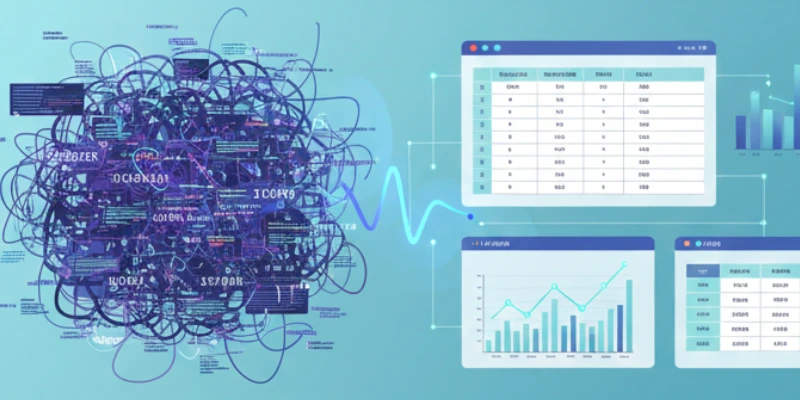
Data analytics relies on many advanced methods, yet none of them work well without clean and reliable data. Cleaning data is often the part of analytics that gets the least attention, but it is the most important step for producing accurate conclusions. Enrolling in a Data Analyst Course in Trivandrum at FITA Academy can help aspiring analysts learn how to improve data quality, ensuring every stage of the analytics process becomes smoother and more effective.
Why Data Cleaning Matters
Clean data forms the foundation of every analysis. When data contains errors, duplicates, or missing values, results become misleading and unreliable. Even the most advanced models won’t provide useful insights if the information they receive is flawed. Good data cleaning gives analysts confidence that patterns and trends reflect reality instead of noise.
Many organizations underestimate the impact of data issues on decision making. Small mistakes can spread through a project and affect financial forecasts, customer reports, or operational plans. By focusing on data cleaning first, analysts reduce risks and help teams make decisions based on trustworthy information.
Common Problems Found in Raw Data
Raw data often arrives in a messy state. It can include missing entries, inconsistent formats, typing mistakes, or outdated details. These issues usually appear when data is collected from multiple sources or entered manually. A Data Analytics Course in Kochi equips learners with skills to clean and standardize data, ensuring accurate analysis and meaningful insights.
Data inconsistency is another frequent challenge. A single value may be recorded in different ways across different systems. When analysts clean and standardize these values, they create uniformity and remove confusion. Clean data supports a smoother workflow and makes later analysis far more efficient.
Key Activities in Data Cleaning
Data cleaning involves several important tasks. One common task is identifying missing values and deciding how to handle them. Analysts may fill them in using logical estimates or remove them if they do not add value. Another task is correcting errors that appear during data collection. This step helps remove noise and prevents false conclusions.
Deduplication is also essential. Duplicate records can inflate counts or produce artificial patterns. By removing them, analysts protect the integrity of the dataset. Standardizing formats for dates, numbers, and categories helps ensure consistency across different sources. These steps create a dataset that is easier to explore and interpret.
How Clean Data Improves Analytics
Once a dataset is clean, every part of the analytics process improves. Exploration becomes clearer as trends stand out naturally, and visualizations become more meaningful because charts reflect accurate values. Enrolling in a Data Analyst Course in Pune helps learners understand how to prepare high-quality data, enabling predictive models to perform better and produce reliable insights.
Clean data saves time in the long run. Analysts can focus on deeper insights instead of fixing problems that could have been addressed earlier. Teams also gain stronger trust in the results, which supports better collaboration and better decision making across the organization.
Cleaning data is the most important skill in analytics because it determines the quality of every insight and decision that follows. When analysts invest time in creating clean and consistent datasets, they set the stage for accurate analysis, strong models, and reliable results. Clean data is not only a technical requirement; it is the foundation of all meaningful analytics work. Joining a Data Analyst Course in Jaipur helps learners master the techniques needed to create clean and consistent datasets, setting the stage for accurate analysis, robust models, and reliable results.
Also check: Anomaly Detection Techniques in Business Data